
Artificial turf is designed with excellent drainage capabilities, effectively managing water through a combination of permeable materials and a well-engineered sub-base. This prevents water accumulation, eliminates puddles, and ensures a safe and usable surface, even after heavy rainfall. Understanding how artificial turf handles water is crucial for homeowners considering this low-maintenance lawn alternative.
Artificial Turf and Water Management
Artificial turf has become a popular landscaping solution across the United States, prized for its aesthetic appeal and minimal upkeep. But one common question arises: How does artificial turf handle water? Unlike natural grass, which relies on soil absorption, artificial turf employs a sophisticated drainage system designed to quickly and efficiently remove water. This prevents the formation of puddles, reduces the risk of slipping, and minimizes the potential for odor and bacterial growth. A well-designed and properly installed artificial turf system ensures that your lawn remains functional and attractive, regardless of the weather.
If you’re curious about how artificial turf manages water, understanding its permeability is key. For more insights, check out our detailed guide on Is Artificial Turf Permeable? Understanding Water Drainage for Your Lawn.
The Anatomy of Artificial Turf and Drainage
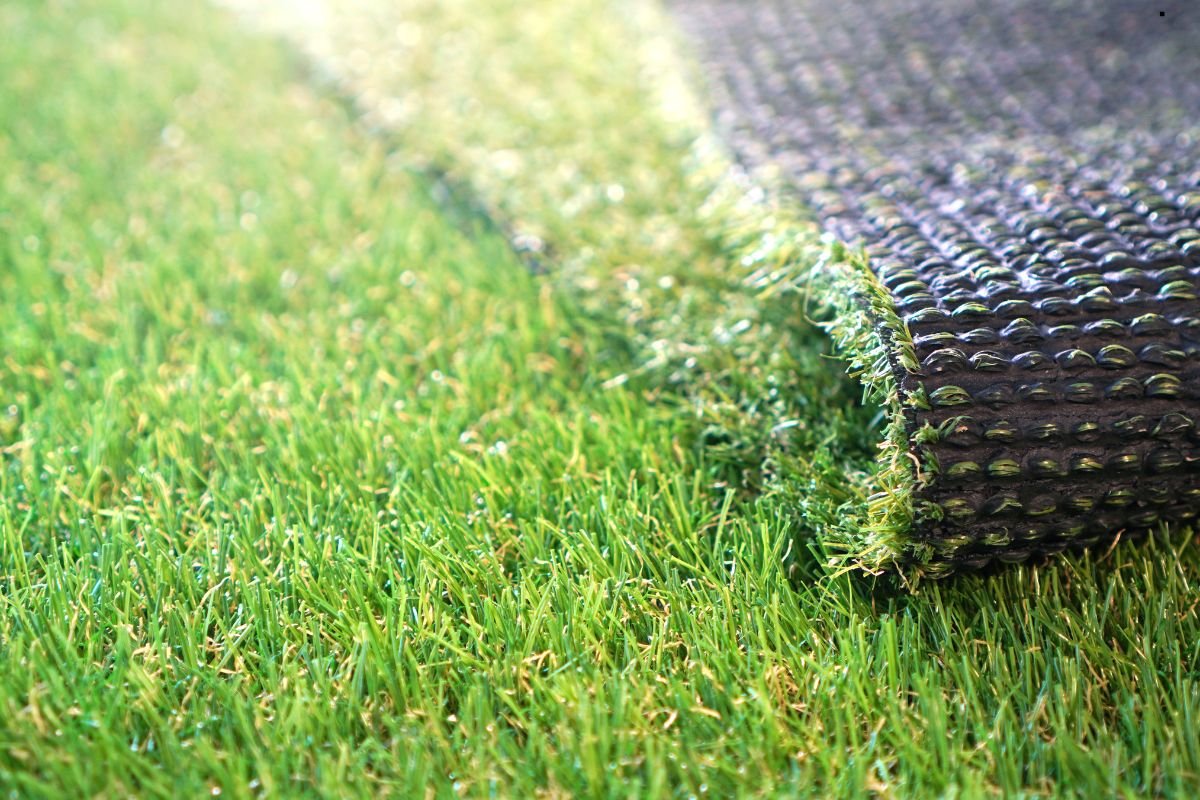
To understand how artificial turf handles water, it’s important to examine its components:
- Turf Fiber Composition: The synthetic fibers of artificial turf are typically made from polyethylene or polypropylene. These materials are non-absorbent, allowing water to flow through them without saturation.
- The Backing Material: The backing is the foundation to which the synthetic fibers are attached. Crucially, it is perforated with small holes to allow water to pass through. [External link to a manufacturer of permeable turf backing]
- The Infill Layer: Infill, such as silica sand or crumb rubber, is spread between the fibers to provide cushioning and support. While the infill itself might retain some moisture, it’s designed to allow water to filter down to the backing and drainage system below.
Ready to upgrade to a worry-free lawn? Call Us today for a free consultation!
How Artificial Turf Drainage Systems Work
The magic of artificial turf drainage happens beneath the surface:
- Permeable Backing: The perforated backing is the first line of defense, allowing water to immediately pass through the turf and into the sub-base.
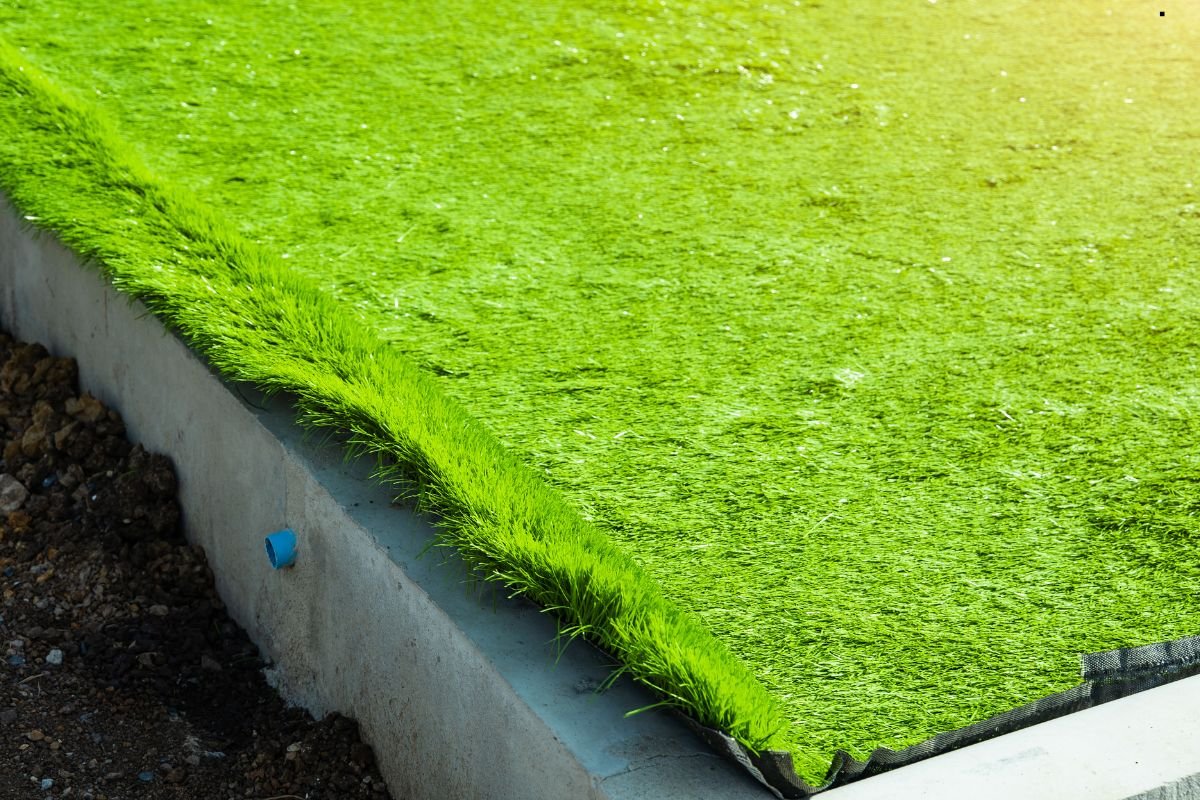
- Sub-Base Preparation: The sub-base, usually composed of compacted gravel or crushed stone, provides a stable foundation and a pathway for water to drain away. This layer is crucial for efficient drainage. A properly compacted sub-base will prevent settling and ensure consistent drainage across the entire surface.
- Drainage Installation: In areas with poor natural drainage, a dedicated drainage system might be installed beneath the sub-base. This could involve drainage pipes or French drains to channel water away from the area.
Looking for professional Lawn Care Services? We provide top-notch solutions, from artificial turf installation to water management, ensuring your lawn stays green and well-drained.
Benefits of Proper Drainage
A properly drained artificial turf system offers numerous advantages:
- Preventing Water Accumulation: No more puddles to navigate after a rain shower! Proper drainage ensures a dry and usable surface.
- Eliminating Puddles: Standing water can attract mosquitoes and other pests. Efficient drainage eliminates these breeding grounds.
- Reducing Slipping Hazards: A dry surface means a safer surface, minimizing the risk of slips and falls.
- Controlling Odor and Bacteria: Stagnant water promotes the growth of bacteria and unpleasant odors. Good drainage keeps your turf fresh and clean.
- Prolonging Turf Lifespan: Constant exposure to moisture can degrade the turf fibers and backing over time. Proper drainage helps extend the life of your artificial lawn.
Common Drainage Problems and Solutions
Even with a well-designed system, drainage problems can occur:
- Clogged Drainage Systems: Debris like leaves and dirt can clog the drainage holes in the backing. Regular cleaning can prevent this.
- Sub-Base Compaction: Over time, the sub-base can become compacted, hindering water flow. Aerating the sub-base can improve drainage.
- Improper Installation: A poorly installed sub-base or drainage system can lead to drainage issues. Hiring a professional installer is crucial.
Artificial Turf and Environmental Impact
Artificial turf offers environmental benefits related to water management:
- Water Conservation: Unlike natural grass, artificial turf doesn’t require watering, saving significant amounts of water.
- Reduced Chemical Runoff: Artificial turf eliminates the need for fertilizers and pesticides, reducing harmful chemical runoff into local waterways.
- Sustainable Drainage Solutions: Some artificial turf systems incorporate rainwater harvesting components, further promoting sustainability.
Go green with artificial turf! Call Us Today to learn more about eco-friendly options.
Maintaining Your Artificial Turf’s Drainage System
Regular maintenance is key to ensuring optimal drainage:
- Regular Cleaning: Sweep or brush the turf regularly to remove debris. Hose down the turf periodically to flush out dirt and grime.
- Infill Top-Ups: Replenish the infill layer as needed to maintain proper support and drainage.
- Professional Inspections: Schedule professional inspections to identify and address potential drainage issues early on.
The Importance of Effective Water Management
Effective water management is critical to the performance, longevity, and overall enjoyment of your artificial turf. By understanding the components of the drainage system and following proper maintenance practices, you can ensure that your artificial lawn remains beautiful, safe, and functional for years to come. From preventing puddles and slip hazards to conserving water and reducing chemical runoff, a well-drained artificial turf system offers numerous benefits.
Frequently Asked Questions (FAQs)
Does artificial turf get muddy?
No, artificial turf doesn’t get muddy because it doesn’t contain soil and has excellent drainage.
How does artificial turf drain during heavy rain?
Artificial turf drains quickly through its permeable backing and a properly installed sub-base.
Can I install artificial turf myself, or do I need a professional?
While DIY installation is possible, professional installation is recommended to ensure proper drainage and a long-lasting result.
How often should I clean my artificial turf to maintain proper drainage?
Cleaning frequency depends on usage and environmental factors, but regular sweeping and periodic hosing are generally sufficient.
What type of infill is best for drainage?
Silica sand is a popular and effective infill choice that promotes good drainage.
Have more questions about artificial turf drainage? Contact our experts at for personalized advice and solutions!”