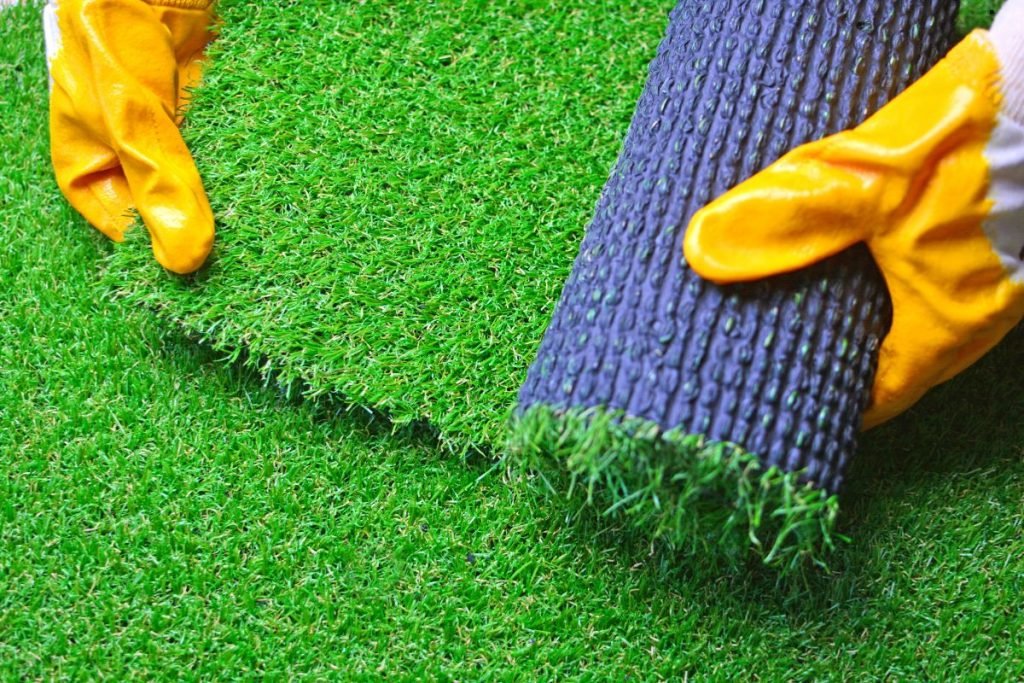
Yes, most artificial turf is designed to be permeable, allowing water to drain through it. However, the degree of permeability varies depending on the type of turf, the quality of its installation, and the base materials used underneath. Understanding these factors is crucial for homeowners considering artificial turf, ensuring proper drainage and avoiding potential problems. Let’s delve into the world of artificial turf and permeability, exploring everything you need to know!
Understanding Permeability
What does it mean for something to be permeable? In simple terms, permeability refers to the ability of a material to allow liquids, typically water, to pass through it. Think of a sponge versus a plastic sheet. The sponge is permeable because water easily flows through its porous structure. The plastic sheet, on the other hand, is impermeable, preventing water from passing through. In the context of your lawn, soil permeability is vital for healthy plant growth, preventing waterlogging, and ensuring proper drainage.
Keeping your lawn healthy in the Las Vegas heat requires more than just mowing—that’s where our expert lawn care services come in. At North Vegas LawnWorks, we provide comprehensive care, including fertilization, aeration, and weed control, to ensure your grass stays lush and resilient year-round. Let us help you maintain a thriving, green lawn in the desert climate!
The Permeability of Artificial Turf: The Reality
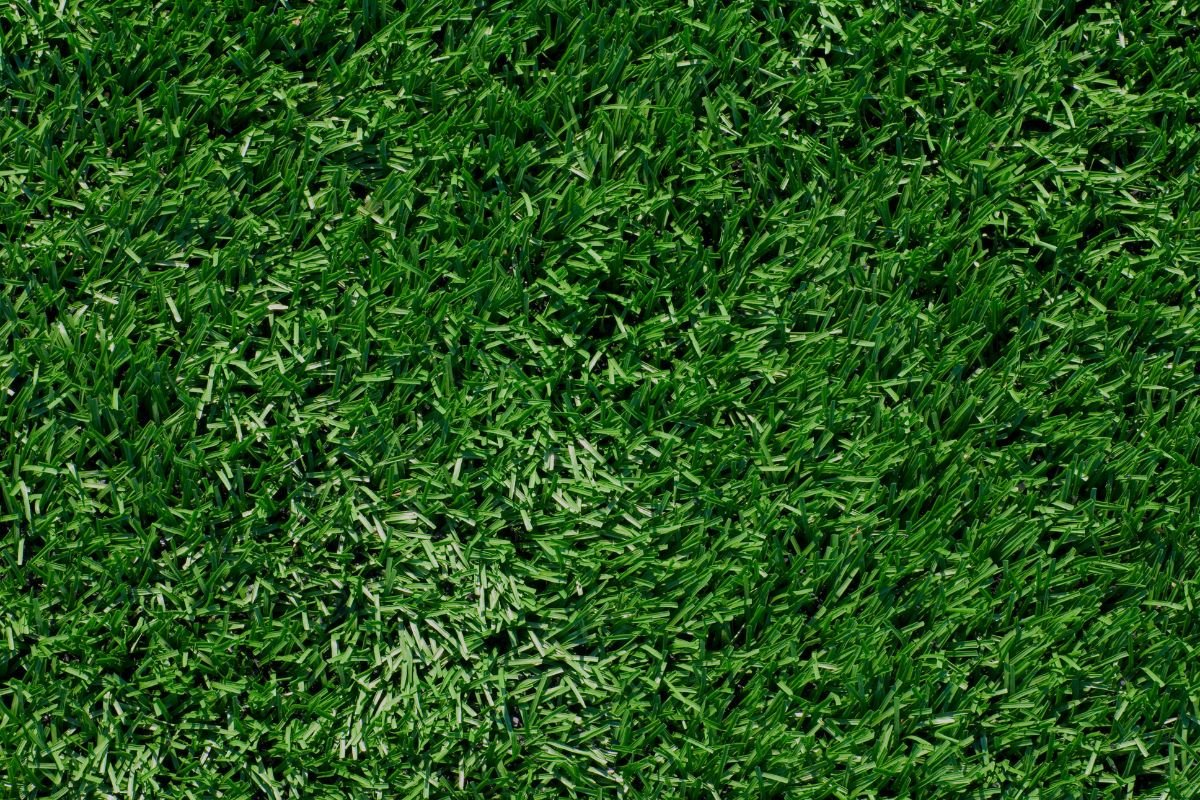
The reality is, not all artificial turf is created equal when it comes to permeability. Whether your artificial lawn efficiently drains water depends on a couple of key things:
-
Types of Artificial Turf and Their Permeability:
Some artificial turf products are specifically engineered with a highly porous backing that promotes rapid drainage. Others have a less porous design. Look for terms like “permeable backing” or “enhanced drainage” when comparing different turf options.
-
Factors Affecting Turf Permeability:
- The backing: The primary factor is the backing material of the turf itself.
- The infill: The type of infill used between the turf blades also plays a role. Some infill materials, like silica sand, allow for good drainage, while others might compact over time and reduce permeability.
- The base construction: Crucially, the base beneath the turf is paramount. A well-draining base of gravel and other materials ensures water has somewhere to go after it passes through the turf.
If proper drainage is essential for your needs! Water runoff occurs when rain or irrigation water flows over a surface instead of absorbing into the ground. Proper drainage solutions, like permeable artificial turf and well-prepared base layers, help manage runoff effectively. Controlling water runoff prevents flooding, erosion, and water pooling in your yard.
Benefits of Permeable Artificial Turf
Why should you care about permeability? There are several significant benefits to choosing a permeable artificial turf system:
- Reduced Water Pooling and Flooding: Permeable turf prevents water from accumulating on the surface of your lawn, eliminating unsightly puddles and minimizing the risk of flooding around your home.
- Environmental Benefits: Groundwater Recharge: By allowing water to filter back into the ground, permeable turf contributes to groundwater recharge, helping to replenish aquifers and reduce the strain on municipal water systems.
- Lower Maintenance Costs: Proper drainage minimizes the chances of mold, mildew, and other issues that can lead to costly repairs or replacements.
Have questions about artificial turf permeability and drainage? Call us today for expert advice and installation solutions!
Impermeable Artificial Turf: Potential Problems
While less common, some cheaper or improperly installed artificial turf can be relatively impermeable. This can lead to several potential problems:
- Water Runoff Issues: If water can’t drain through the turf, it will run off onto surrounding surfaces, potentially flooding patios, walkways, or even entering your home.
- Potential for Mold and Mildew: Trapped moisture can create a breeding ground for mold and mildew, leading to unpleasant odors and potential health concerns.
Installation and Permeability
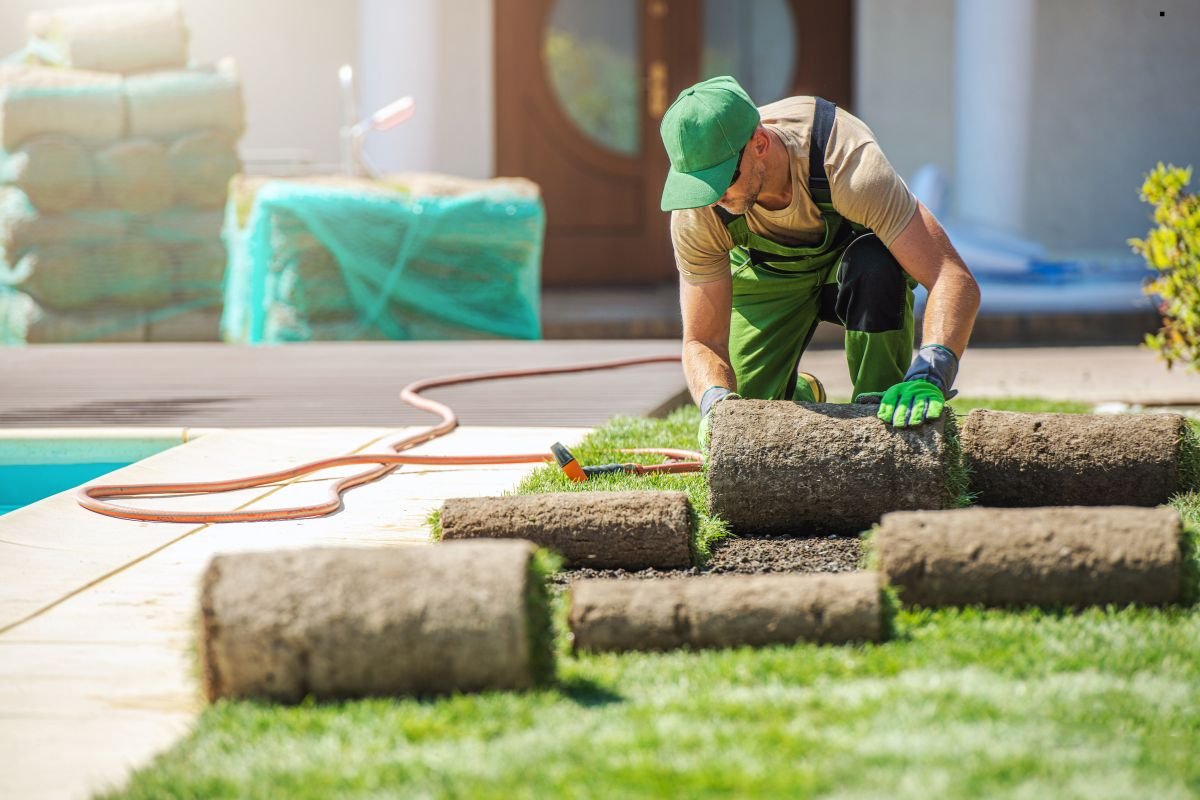
Installation is where permeability lives or dies!
- The Importance of a Proper Base: A well-draining base is essential for proper permeability. This typically involves layers of compacted gravel and other materials that allow water to flow freely away from the surface.
- Professional vs. DIY Installation: While DIY artificial turf installation is possible, it’s generally recommended to hire a professional installer, especially if drainage is a major concern. Experienced installers have the knowledge and equipment to ensure a proper base and proper drainage.
Maintaining Permeability
Even with a properly installed permeable turf system, occasional maintenance is necessary to keep it draining efficiently:
- Regularly brush the turf to remove debris and prevent compaction of the infill.
- Use a leaf blower to clear away leaves and other organic matter that could clog the drainage holes.
- Avoid using harsh chemicals or cleaning products that could damage the turf or reduce its permeability.
Considering an upgrade for your pool area? Artificial grass could be the perfect solution! It offers a clean, low-maintenance look while standing up to wet feet, sunny days, and all the fun of poolside living. Discover more in Transform Your Outdoor Oasis: The Benefits of Artificial Grass Around Pool for a Clean and Sleek Pool Landscape.
Need help with turf maintenance? Our team offers professional cleaning and maintenance services to keep your artificial lawn looking its best. Call us today for a free consultation!
Choosing the Right Turf
Selecting the right type of permeable artificial turf for your specific needs is essential. Consider these factors:
- Questions to Ask Your Installer: Ask your installer about the permeability rating of different turf options and their recommended base construction methods.
- Checking for Drainage Ratings: Look for turf products that have been tested and certified for their drainage performance.
Conclusion
Making an informed decision is essential for keeping your artificial turf drain properly, By understanding the importance of using good base materials, taking drainage ratings into consideration, and following other necessary tips, you should be able to solve most of the issues regarding the permeability of artificial turf and find the proper one for your house.
FAQs
Does artificial turf drain as well as real grass?
When properly installed with a permeable backing and a well-draining base, artificial turf can drain just as well, if not better, than natural grass.
How can I tell if my artificial turf is draining properly?
Look for signs of water pooling or slow drainage after rain. Also, check for any musty odors or discoloration, which could indicate mold or mildew growth.
What type of infill is best for drainage?
Silica sand is generally a good option for drainage, but there are also specialized infill materials designed to maximize permeability.
Can I install a drainage system under existing artificial turf?
It’s possible, but it typically involves removing the existing turf and installing a proper base with drainage components. This is best left to professionals.
How much does permeable artificial turf cost?
The cost of permeable artificial turf varies depending on the quality of the turf, the complexity of the installation, and the location. Get quotes from several reputable installers to compare pricing.
Curious about artificial turf drainage and permeability? Contact us today for expert guidance on choosing the right turf, ensuring proper installation, and preventing water buildup in your yard!