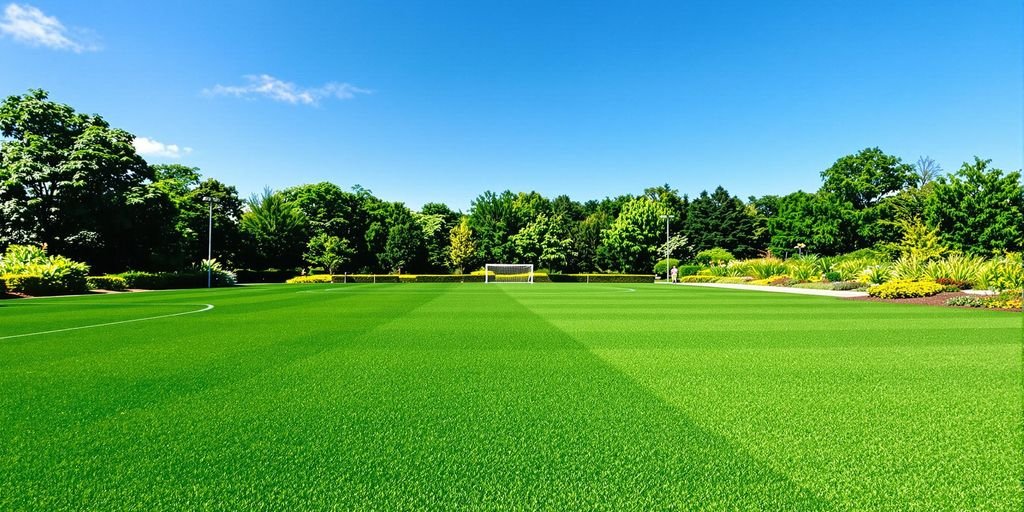
Synthetic turf has been around for a while, but there’s still a lot of confusion about it. Some people think it’s unsafe, bad for the environment, or just plain fake-looking. Others wonder if it’s worth the cost or how long it actually lasts. This article clears up some of the biggest misconceptions about synthetic turf so you can make an informed decision.
Key Takeaways
- Synthetic turf is safe and environmentally friendly when properly installed and maintained.
- It requires less maintenance than natural grass but isn’t completely maintenance-free.
- Artificial grass can help conserve water and is often recyclable.
- Modern synthetic turf can look very realistic and perform well in various weather conditions.
- While the upfront cost is high, synthetic turf can save money in the long run.
Understanding Common Misconceptions About Synthetic Turf
The Myth of Synthetic Turf Being Unsafe
A lot of people think synthetic turf is unsafe, but that’s not really the case. Modern artificial grass is designed with safety in mind, especially for kids and pets. The materials used are tested to meet safety standards, and many products are free from harmful chemicals like lead. Plus, the surface is often softer than natural grass, reducing the risk of injury during falls. The idea that synthetic turf is dangerous is mostly outdated.
Debunking the Idea That It Harms the Environment
People often assume synthetic turf is bad for the environment, but it’s more complicated than that. While it’s true that the production process has some environmental impact, synthetic turf can actually help in other ways. For example:
- It reduces water usage since there’s no need for irrigation.
- It eliminates the need for fertilizers and pesticides, which can harm ecosystems.
- It prevents soil erosion in areas where natural grass struggles to grow.
When you look at the bigger picture, the environmental trade-offs aren’t as bad as they might seem. Explore the full range of Our Services to keep your lawn looking its best. From routine maintenance to specialized treatments, we offer everything you need for a healthy and vibrant yard.
Addressing Concerns About Heat Retention
One thing you’ll hear a lot is that synthetic turf gets too hot in the sun. And yes, it’s true that artificial grass can heat up more than natural grass on sunny days. But there are ways to manage this:
- Install lighter-colored or heat-resistant turf materials.
- Use infill materials designed to stay cooler.
- Add shade or water the turf lightly to bring the temperature down.
It’s worth noting that while heat can be an issue, it’s not a dealbreaker for most people. With a little planning, you can enjoy your synthetic lawn comfortably even in hot weather.
The Truth About Synthetic Turf Maintenance
Is Synthetic Turf Truly Maintenance-Free?
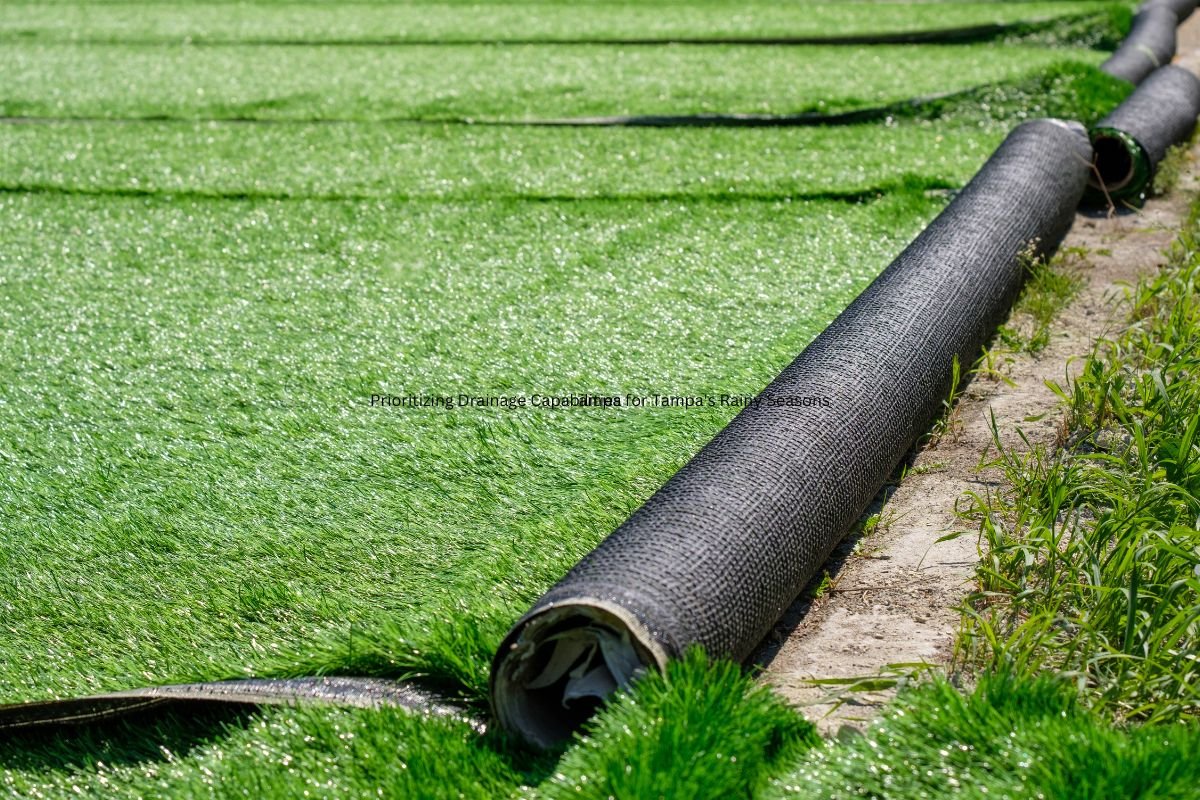
A lot of people think that synthetic turf is completely maintenance-free, but that’s not entirely true. While it doesn’t need mowing, fertilizing, or watering like natural grass, it still requires some routine care. Neglecting basic upkeep can lead to debris buildup and reduce its longevity. Tasks like removing leaves and cleaning up spills are necessary to keep it looking and performing its best.
How to Properly Care for Artificial Grass
Taking care of synthetic turf is pretty straightforward. Here are a few easy steps to follow:
- Remove debris regularly. Use a rake or leaf blower to clear away leaves, twigs, and other junk.
- Rinse it down. A quick spray with a garden hose can wash away dust and dirt, especially in dry weather.
- Brush the fibers. Use a stiff broom or brush to keep the turf blades upright and looking fresh.
- Spot clean spills. If there’s a spill or pet mess, clean it immediately with mild soap and water.
If you stick to these simple tasks, your turf will stay in great shape for years to come.
The Cost-Effectiveness of Maintenance Over Time
When you compare it to natural grass, synthetic turf is much cheaper to maintain over the long run. You won’t need to spend money on fertilizers, pesticides, or a lawnmower. Plus, it saves water, which can significantly cut down on your utility bills.
| Maintenance Task | Natural Grass Cost | Synthetic Turf Cost |
| Watering | High | Low |
| Fertilizing | High | None |
| Mowing Equipment | Moderate | None |
| Routine Cleaning | Low | Low |
Synthetic turf maintenance is simple, affordable, and effective. With just a little effort, you can enjoy a lush, green lawn without the hassle of traditional grass care.
For more on how regular upkeep ensures synthetic turf’s longevity, check out the best practices for maintaining artificial grass.
Environmental Impact of Synthetic Turf
Does Synthetic Turf Contribute to Pollution?
One common question is whether synthetic turf adds to pollution. While it’s true that the production of artificial grass involves petrochemicals, manufacturers are increasingly adopting cleaner, more sustainable practices. Additionally, modern synthetic turf systems are designed to minimize runoff and microplastic leakage, addressing some of the pollution concerns. However, there’s ongoing debate about the potential release of chemicals from infill materials into the environment. Potentially hazardous concentrations of certain substances have been detected in some turf products, making it essential to choose high-quality, safe options.
Water Conservation Benefits of Artificial Grass
Switching to synthetic turf can save thousands of gallons of water annually. Unlike natural lawns, artificial grass doesn’t require irrigation, making it a smart choice for areas prone to drought. Here’s a quick comparison:
| Lawn Type | Annual Water Usage (per sq. ft.) |
| Natural Grass | ~55 gallons |
| Synthetic Turf | 0 gallons |
By eliminating the need for watering, artificial grass not only conserves water but also reduces the energy and resources associated with water treatment and delivery.
Recyclability and Sustainability of Synthetic Turf Materials
The sustainability of synthetic turf has improved significantly over the years. Many manufacturers now offer recyclable turf systems, ensuring that old materials don’t end up in landfills. While not all turf products are recyclable yet, the industry is moving toward more eco-friendly solutions, including infills made from natural or recycled materials. Proper disposal and recycling can extend the life cycle of synthetic turf, reducing its overall environmental footprint.
Artificial grass isn’t perfect, but it’s evolving. With advancements in technology and a growing focus on sustainability, synthetic turf is becoming a greener option for modern landscaping.
Health and Safety Concerns Surrounding Synthetic Turf
Are There Health Risks Associated With Synthetic Turf?
One of the biggest questions people have is whether artificial grass is safe to use. The truth is that synthetic turf has been extensively tested for health risks, and most studies show that it’s generally safe for regular use. However, there are concerns about potential exposure to chemicals used in the manufacturing process. For example, some older synthetic turfs contained lead, but modern products are designed to be lead-free. It’s always a good idea to check the materials used in the turf you’re considering.
Understanding the Safety of Infill Materials
Infill materials, like crumb rubber or silica sand, are essential for keeping synthetic turf functional. But are they safe? Crumb rubber, made from recycled tires, has raised eyebrows due to potential chemical exposure. Alternatives like organic infills (cork or coconut fibers) are gaining popularity for being more environmentally friendly and less controversial. When choosing infill, think about how it will be used—playgrounds, for instance, might benefit from softer, non-toxic options.
How Synthetic Turf Affects Allergies
If you suffer from grass pollen allergies, synthetic turf could be a game-changer. Since it doesn’t produce pollen, it eliminates one of the main triggers for seasonal allergies. That said, it’s worth noting that dust and debris can still accumulate on the surface, which might irritate sensitive individuals. Regular cleaning can help reduce these risks and keep your turf allergy-friendly.
While synthetic turf has its critics, understanding the materials and maintenance involved can help you make an informed decision about its safety and health impact.
Aesthetic and Functional Benefits of Synthetic Turf
Does Synthetic Turf Look Artificial?
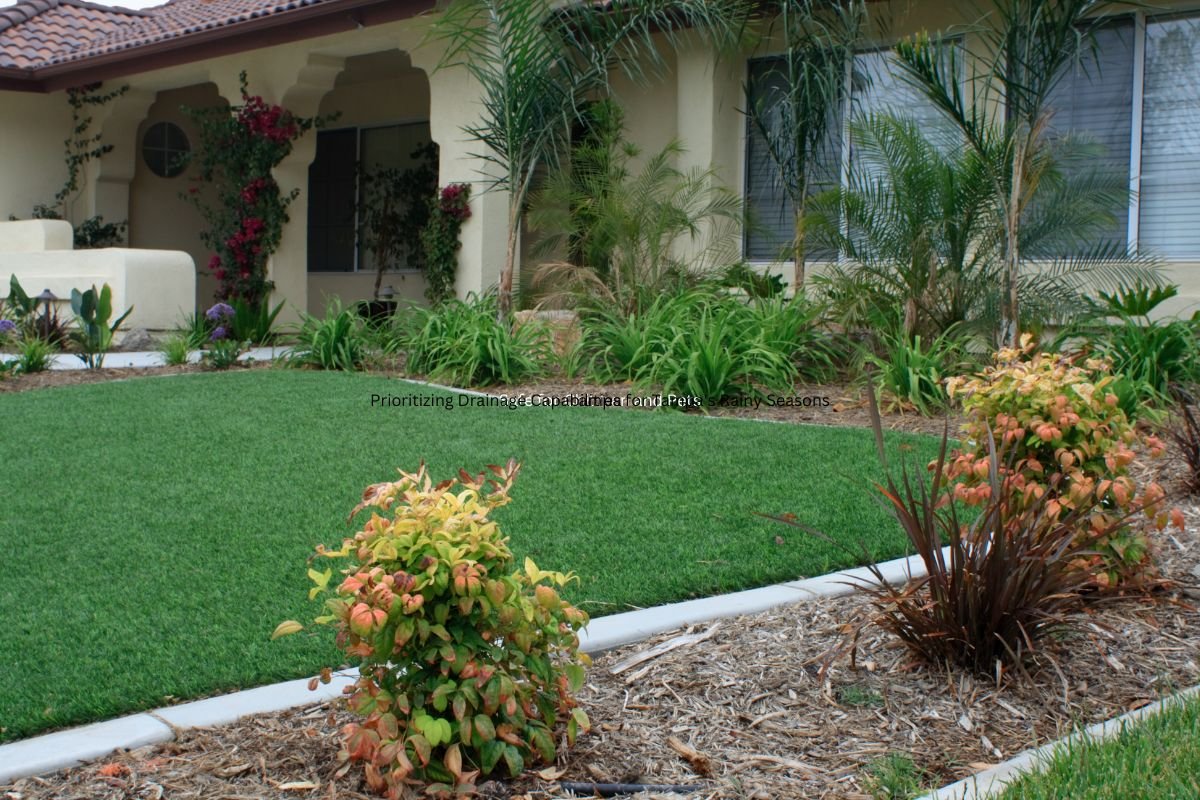
One of the biggest concerns people have is whether synthetic turf looks fake. Modern artificial grass has come a long way in mimicking the appearance of natural grass. High-quality synthetic turf features varying shades of green, realistic textures, and even brown thatch layers to replicate the look of real soil. You’d be surprised how many people can’t tell the difference unless they touch it. Plus, it stays lush and green all year round, no matter the weather.
How It Performs in Different Weather Conditions
Synthetic turf is designed to handle a variety of weather conditions without losing its functionality. Whether it’s heavy rain, intense sun, or even snow, it holds up remarkably well. For example:
- Drains quickly after rain, preventing puddles and mud.
- UV-resistant materials keep it from fading under intense sunlight.
- Doesn’t freeze or get slippery in cold weather.
This makes it a great option for regions with unpredictable climates.
The Versatility of Synthetic Turf for Various Applications
Synthetic turf isn’t just for lawns—it’s incredibly versatile. You’ll find it in:
- Sports fields, where it provides a safe and consistent surface for play.
- Commercial spaces, adding a touch of green to otherwise dull areas.
- Residential backyards, perfect for pets, kids, and even outdoor dining areas.
Its adaptability makes it a go-to solution for a wide range of needs. Whether you’re sprucing up your home or need a durable surface for sports, synthetic turf delivers.
Synthetic turf offers numerous benefits, including improved aesthetic appeal, reduced maintenance costs, enhanced durability, water conservation, and a safe play surface for sports, providing a consistent and attractive environment.
Economic Considerations of Installing Synthetic Turf
Initial Costs Versus Long-Term Savings
When you first look at the price tag for synthetic turf, it might seem like a big investment upfront. Installation costs can range from $5 to $20 per square foot, depending on the quality of the materials and the complexity of the project. However, the long-term savings often outweigh the initial expense. Think about it—no more paying for lawn care services, fertilizers, or even water for irrigation. Over time, these savings can add up substantially, making artificial grass a more economical choice in the long run.
Here’s a quick breakdown of potential yearly savings:
| Expense Category | Natural Grass (Annual) | Synthetic Turf (Annual) |
| Watering/Irrigation | $500-$1,000 | $0 |
| Fertilizers and Seeds | $200-$400 | $0 |
| Lawn Maintenance | $1,000-$2,000 | $0 |
| Total | $1,700-$3,400 | $0 |
Impact on Property Value
One often overlooked benefit is how synthetic turf can enhance the value of your home. A well-maintained, evergreen lawn can boost curb appeal, making your property more attractive to potential buyers. Plus, prospective homeowners often appreciate the reduced maintenance requirements, which can be a selling point. So, while the upfront cost might feel steep, it could pay off when it’s time to sell your home.
Additionally, artificial grass offers long-term durability, ensuring your lawn stays beautiful for years with minimal effort. Call us to learn more!
Comparing Synthetic Turf to Natural Grass
Let’s face it—natural grass comes with a lot of hidden costs. From mowing and watering to dealing with pests, the expenses just keep piling up. Synthetic turf, on the other hand, eliminates nearly all of these recurring costs. Here’s why:
- No need for costly lawn equipment or repairs.
- No monthly water bills for irrigation.
- No spending on fertilizers, pesticides, or reseeding.
In the long run, synthetic turf proves to be a more budget-friendly option. Plus, it’s a sustainable choice that reduces water usage and eliminates the need for harmful chemicals. Artificial grass significantly reduces maintenance costs, making it both a cost-effective and environmentally friendly solution.
If you’re tired of spending time and money on lawn upkeep, synthetic turf might just be the smarter choice for your wallet and your lifestyle.
Addressing Durability and Longevity Myths
How Long Does Synthetic Turf Really Last?
One of the biggest questions people have is how long synthetic turf actually holds up. On average, artificial grass can last anywhere from 10 to 15 years, depending on the quality of the materials and how well it’s maintained. High-traffic areas, like sports fields, may wear out a bit faster, but residential lawns often hit the upper end of that range. Investing in quality turf upfront can make a big difference in its lifespan. Plus, many manufacturers offer warranties to give you peace of mind.
Resistance to Wear and Tear
Artificial turf is designed to handle heavy use. Whether it’s kids playing soccer, dogs running laps, or hosting backyard barbecues, it can take a beating. The fibers are engineered to bounce back, and the infill helps maintain its shape. Here’s what makes it so durable:
- UV-resistant coatings prevent fading from sunlight.
- Strong backing materials hold the grass fibers securely in place.
- Proper drainage systems reduce water damage and mold growth.
It’s worth noting that regular brushing and cleaning can help maintain its appearance and functionality over time.
Factors That Influence Its Lifespan
Several factors play into how long your synthetic turf will last. Here’s a breakdown:
| Factor | Impact on Lifespan |
| Quality of Materials | Higher-quality turf lasts longer |
| Installation Quality | Proper installation prevents uneven wear |
| Maintenance Routine | Regular care extends durability |
| Level of Use | Heavy traffic can shorten lifespan |
If you’re looking for a low-maintenance alternative to natural grass, artificial turf offers significant savings on water bills, lawn equipment, fertilizers, and maintenance costs. With the right care, it’s a long-term investment worth considering.
For more on how synthetic turf saves money over time, check out artificial turf’s cost-effectiveness.
Wrapping It Up
So, there you have it. Synthetic turf isn’t the villain it’s often made out to be. Sure, it’s not perfect—what is?—but it’s come a long way from the stiff, fake-looking stuff of the past. Whether it’s about saving water, cutting down on maintenance, or just having a yard that looks good year-round, it’s worth giving it a second thought. At the end of the day, it’s about what works best for you and your space. Hopefully, this cleared up some of the confusion and gave you a better idea of what synthetic turf is really all about. Contact us to learn more!
Frequently Asked Questions
Is synthetic turf safe for kids and pets?
Yes, synthetic turf is designed with safety in mind. It’s free from harmful chemicals and provides a soft surface for play.
Does artificial grass harm the environment?
Synthetic turf can actually help the environment by reducing water usage and eliminating the need for harmful pesticides or fertilizers.
Does synthetic turf get too hot in the summer?
While it can get warm under direct sunlight, there are cooling technologies and simple solutions like watering it to lower the temperature.
Is artificial grass really maintenance-free?
Not entirely. You’ll still need to remove debris, rinse it occasionally, and brush the fibers to keep it looking fresh.
How long does synthetic turf last?
With proper care, synthetic turf can last 10 to 20 years, depending on the quality and usage.
Can synthetic turf be recycled?
Yes, many synthetic turf materials are recyclable, making it a more sustainable choice in the long run. Artificial grass can also be repurposed or reused, further enhancing its eco-friendly benefits. Call us to learn more!